OEM vs Private Label Footwear Manufacturing — What Is the Difference and Which Is Right for Your Brand
Two models, one decision. Here is how to choose the right manufacturing approach for where your brand is right now.
5 min read
Nov 6, 2025
If you are sourcing footwear for the first time, you will quickly encounter two terms — OEM and private label. They are often used interchangeably but they mean different things, and understanding the difference will help you make a better decision for your brand.
What Is OEM Manufacturing
OEM stands for Original Equipment Manufacturer. In the context of footwear, OEM manufacturing means you bring a design — a completed brief, a technical specification, a reference sample — and the manufacturer produces it to your exact requirements. You own the design. The manufacturer owns the production capability. The finished product carries your brand.
OEM is the right choice for brands that have a clear design direction, an in-house product development capability, and the technical knowledge to specify exactly what they want. It works well for established brands launching new categories, brands with a strong design team, or brands that are scaling a proven style into new colourways or materials.
What Is Private Label Manufacturing
Private label manufacturing is a more collaborative model. Instead of arriving with a completed design, you arrive with a brief — a market need, a style direction, a target consumer, a price point — and the manufacturer works with you to develop the product from the ground up. They bring the design and development expertise. You bring the brand vision and the market knowledge.
Private label is the right choice for brands that are launching for the first time, brands that do not have an in-house product development capability, or brands that want to move faster than their internal resources allow. It is also a common model for retailers looking to launch their own footwear brand without building a development team from scratch.
The Key Differences
The main difference between OEM and private label is who is responsible for product development. In OEM, the brand does the development and the manufacturer executes. In private label, the manufacturer does the development and the brand guides and approves.
This has implications for timeline, cost, and control. OEM typically gives you more control over the final product but requires more from you at the development stage. Private label is faster to get started and requires less internal resource but you are more dependent on the manufacturer's development capability and design sensibility.
Which Is Right for Your Brand
The honest answer is that it depends on where your brand is and what your internal capabilities look like. Here are some questions to help you decide.
Do you have a completed design or technical specification? If yes — OEM. If no — private label.
Do you have an in-house product developer or designer? If yes — OEM. If no — private label.
Are you launching for the first time? If yes — private label is usually faster and lower risk. If no — it depends on your internal setup.
How quickly do you need to move? Private label is typically faster to get started because the manufacturer carries more of the development load. OEM can be faster to final approval if you arrive with a tight brief.
What to Look for in a Manufacturer for Either Model
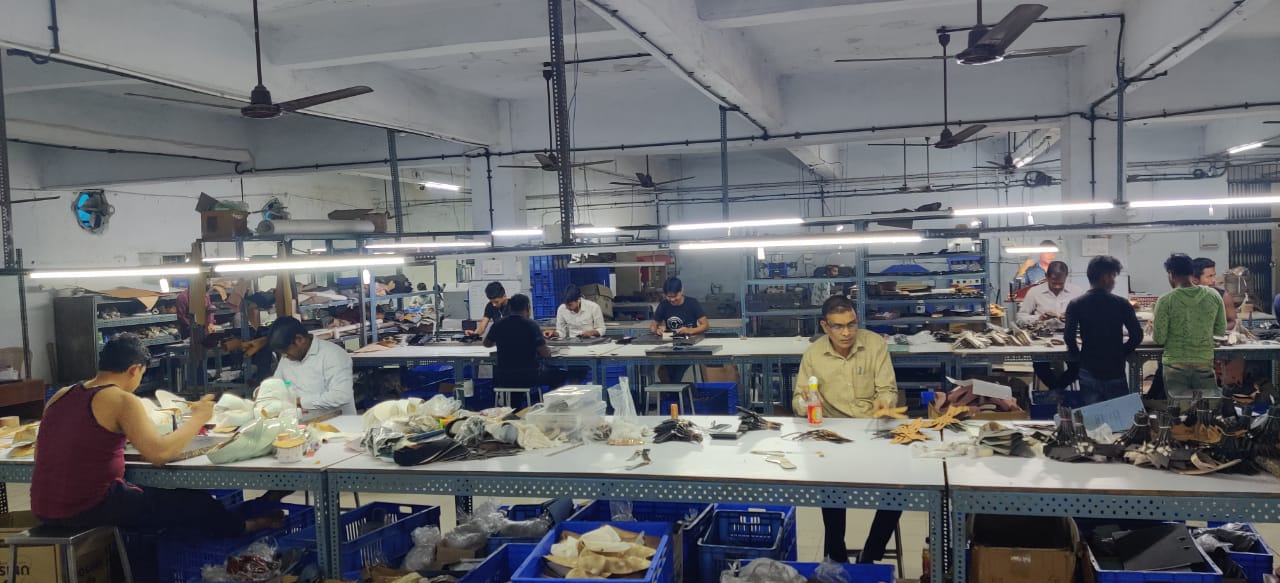
Whether you choose OEM or private label, the fundamentals of what makes a good manufacturer are the same. In-house development capability, strong quality testing standards, clear communication, and a genuine understanding of women's footwear.
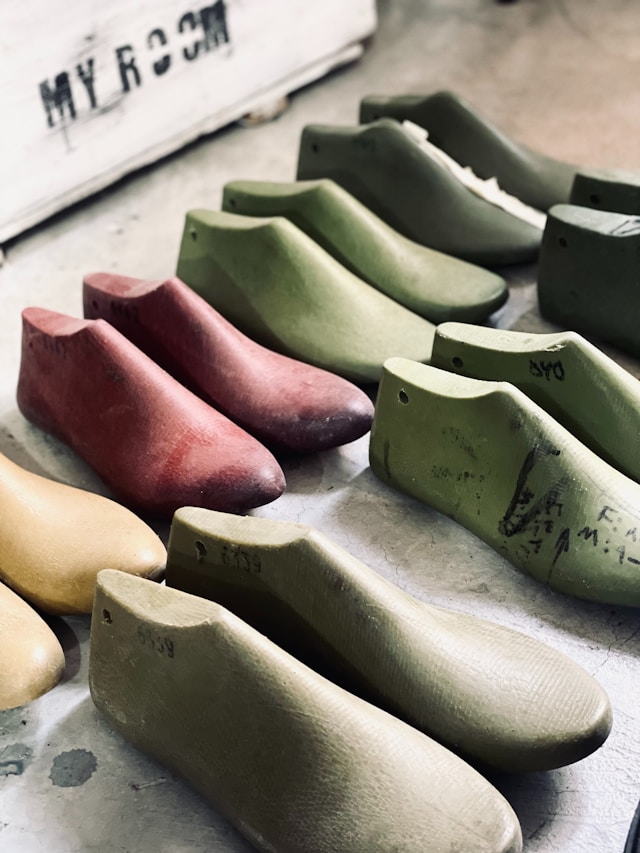
The difference is in how you engage them. For OEM, come prepared with as much technical detail as possible — construction specifications, material references, last measurements, heel heights, and finishing requirements. The more detail you provide, the faster and more accurate the development process will be.
For private label, come prepared with market context — who your customer is, what they value, what price point you are targeting, and what aesthetic direction you want to explore. A good private label manufacturer will translate that context into product options that match your brief.
The Bottom Line
Both OEM and private label are viable paths to market. The right choice is the one that matches your brand's current capabilities and growth stage. What matters most is not which model you choose — it is finding a manufacturing partner who executes either model with the reliability, quality, and communication your brand deserves.