Why Low MOQs Matter More Than You Think — and What to Ask Your Manufacturer
High minimum orders are holding more brands back than they realise. Here is what to look for and what to ask.
5 min read
Nov 6, 2025
Minimum order quantities are one of the most discussed and least understood aspects of footwear manufacturing. This post breaks down what MOQs actually mean, why they matter for growing brands, and what to ask your manufacturer before you commit.
What Is a Minimum Order Quantity
A minimum order quantity is the smallest number of units a manufacturer will produce in a single run. In footwear, this is typically expressed per style — so a 500-pair MOQ means the manufacturer will not produce fewer than 500 pairs of any single style in any single order.
MOQs exist because manufacturing has fixed costs that need to be spread across a sufficient number of units to make production viable. Material setup, pattern grading, last preparation, and production line setup all have costs that are independent of how many pairs are produced. Higher MOQs spread those costs more efficiently.
Why MOQs Matter for Growing Brands
The challenge for growing brands is that high MOQs create a fundamental tension between production viability and commercial risk. If you are launching a new style and you are not certain of the demand, committing to 1,000 or 2,000 pairs is a significant financial risk. You are either paying for inventory you cannot sell or you are limiting your collection to styles you are already confident about — which limits your ability to innovate.
Lower MOQs solve this problem. When a manufacturer works with MOQs of 200 pairs per style, a growing brand can test new silhouettes, launch new categories, and explore new materials without overcommitting capital to untested product. This is not a small advantage. For many brands it is the difference between being able to innovate and being stuck producing the same proven styles season after season.
The Real Cost of High MOQs
The direct cost of high MOQs is obvious — you have to order more than you need. But there are indirect costs that are less visible.
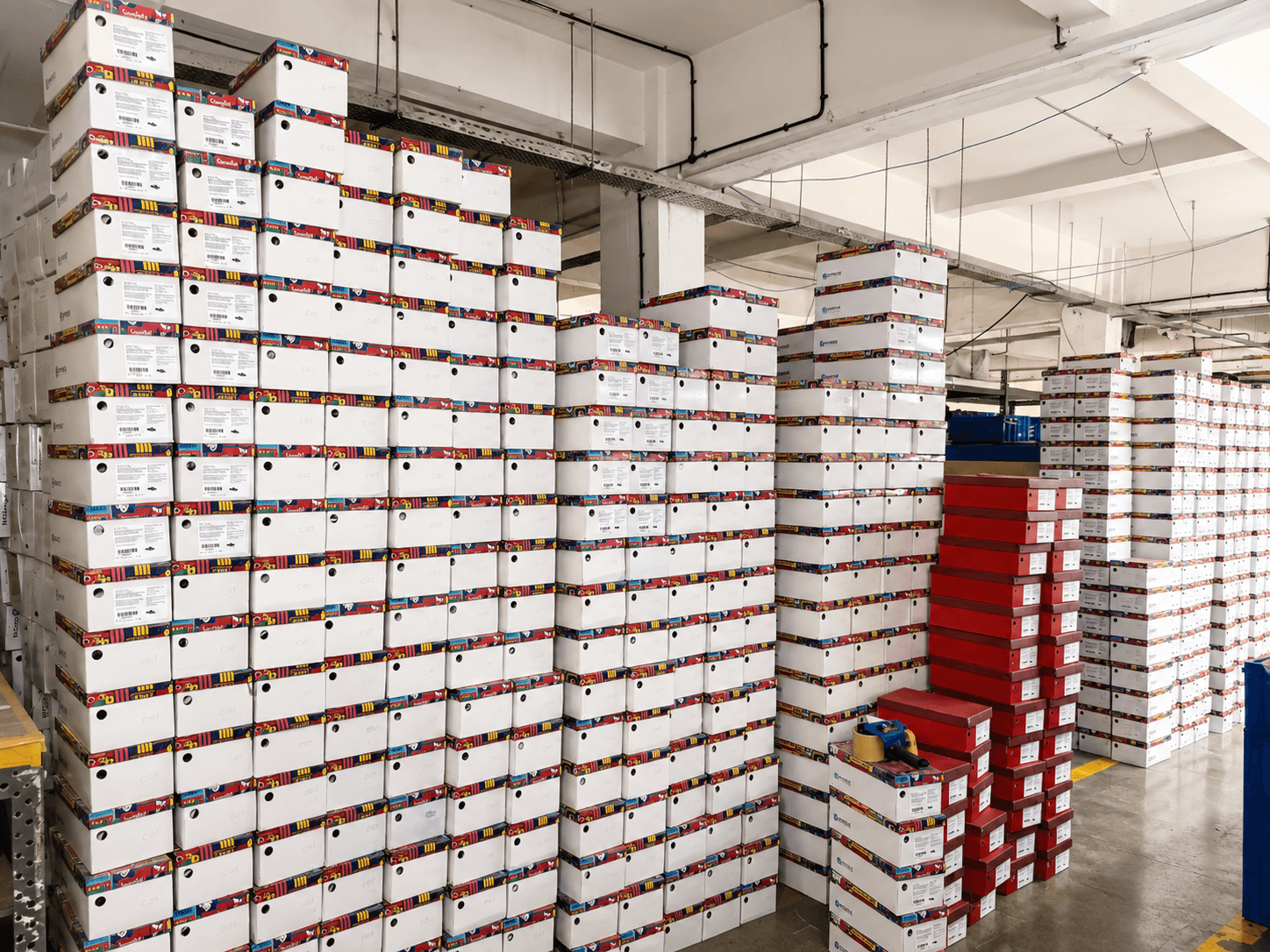
High MOQs force brands to carry more inventory, which ties up working capital that could be used for marketing, development, or other growth investments. They create pressure to discount unsold inventory at the end of a season, which erodes margin and can damage brand positioning. And they limit the range of styles a brand can offer, which limits the ability to serve different customer needs and retail channels.
For international brands sourcing from India for the first time, high MOQs also create a risk-management problem. Before you have established a relationship with a manufacturer, before you have seen their quality across a full production run, committing to thousands of pairs is a significant act of trust. Lower MOQs reduce that risk and allow the relationship to develop before the financial stakes become high.
What to Ask Your Manufacturer
Before agreeing to work with a manufacturer, ask these specific questions about MOQs.
What is your minimum order quantity per style? Get this number in writing. Some manufacturers quote a low MOQ in their marketing and then move the goalposts when a brief is submitted.
Is the MOQ per style or per order? These are different things. A per-style MOQ of 200 pairs means you can order 200 pairs of each style. A per-order MOQ of 200 pairs means your total order must be at least 200 pairs across all styles.
Does the MOQ change for custom constructions or materials? Some manufacturers have a standard MOQ for their regular range but a higher MOQ for custom work. Understand this before you begin development.
How does the MOQ affect pricing? Lower MOQs sometimes come with a higher unit cost. Understand the relationship between quantity and price so you can model your margins accurately.
At Orchid Shoes
Our minimum order quantity starts at 200 pairs per style. We set this number deliberately because we believe growing brands deserve a manufacturing partner that works with them at their current scale — not a partner that demands they grow before they will engage.
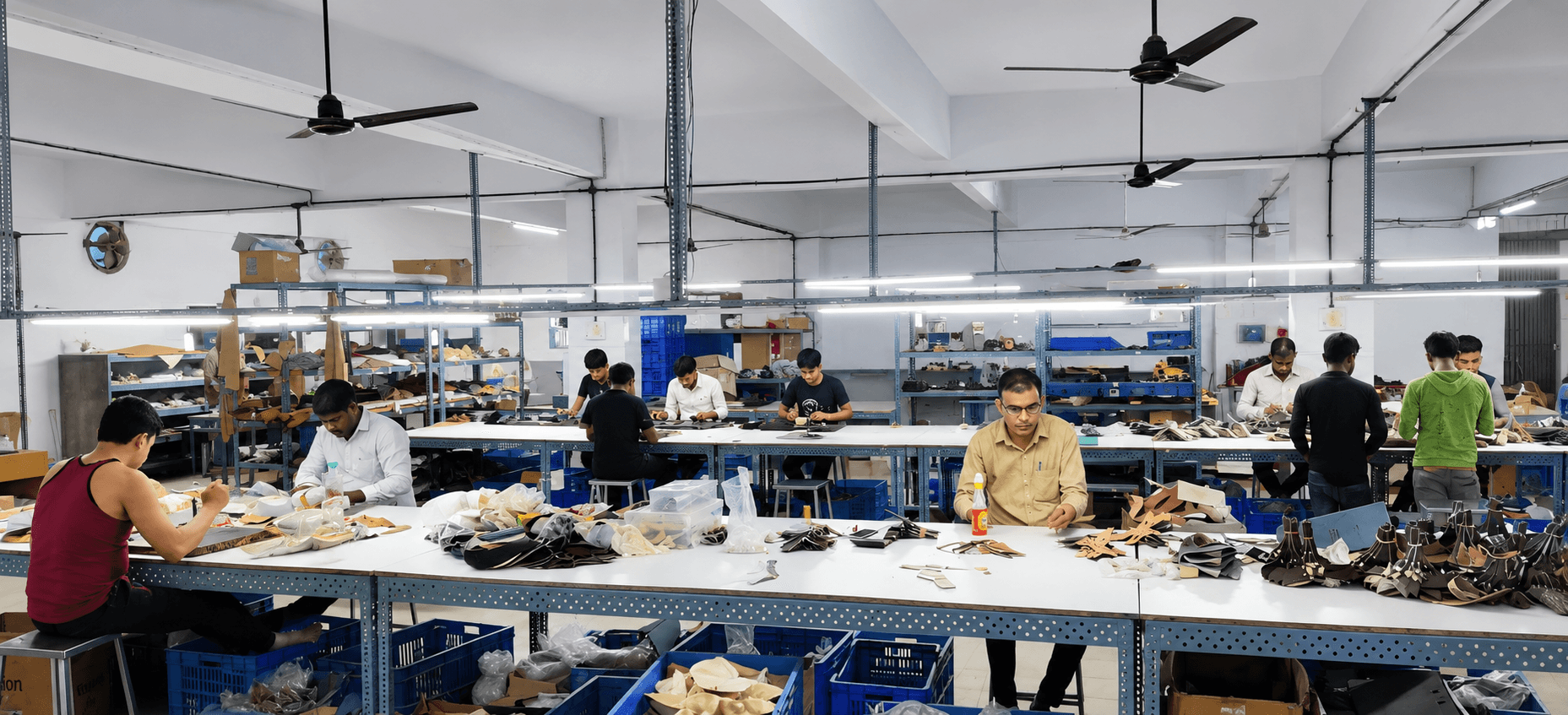
As your volumes grow, our capacity grows with you. We currently produce 2,500 pairs per day with the ability to scale to 6,000. We are built for where you are going — not just where you are now.